
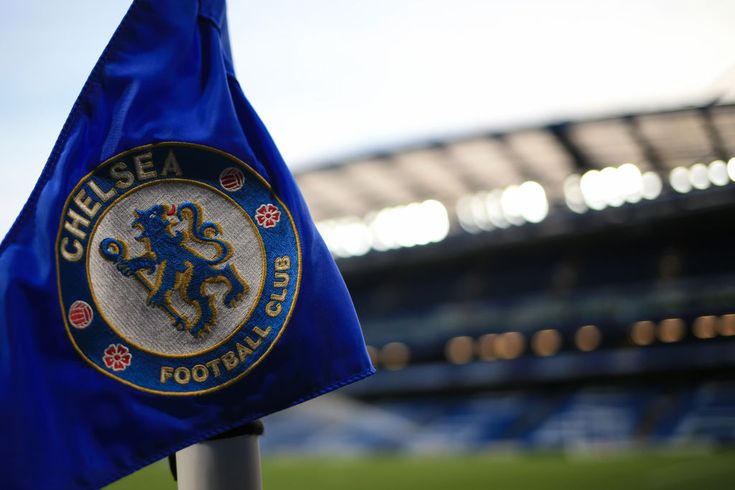
Chelsea received a fine for undisclosed payments and breaking regulations between 2011 and 2018. Because the club cooperated and reported the issues itself, it avoided harsher penalties like a points deduction or an immediate transfer ban.
The Premier League punished Chelsea after investigations found the club had broken rules on financial reporting, third-party payments, and youth development.
The league imposed:
- A £10.75 million fine (about $14m)
- A one-year transfer ban for the first team, suspended for two years
- Chelsea faces an immediate nine-month ban from registering new youth academy players, restricting incoming transfers at the academy level until the ban ends.
With the suspended transfer ban, Chelsea can currently sign players. However, if further rule breaches happen during the two-year suspension, the one-year first-team transfer ban will be activated.
What Rules Chelsea Broke
Undisclosed payments from 2011–2018, during Roman Abramovich’s ownership, were at the core of the league’s investigation.
These payments involved:
- Transfers linked to players and agents
- Payments to unregistered agents or third parties
- Financial transactions that the club did not report to the Premier League.
Since these payments benefited the club but were not disclosed to regulators, the Premier League found Chelsea in breach of rules requiring honest and good-faith financial reporting.
Reports indicate that the transfers under scrutiny involved players such as Eden Hazard, Willian, and Samuel Eto’o.

Eden Hazard, Willian, and Samuel Eto’o signed during Roman Abramovich’s ownership.
Why the Punishment Was Not Harsher
Chelsea avoided harsher penalties, such as a points deduction, despite the breaches.
There were several reasons:
- Self-reporting by new owners
When Todd Boehly’s group bought the club in 2022, they chose to report the irregularities themselves. - Full cooperation with investigators
Chelsea worked closely with the authorities during the investigation. - Financial rules were not technically breached.
Investigators concluded that if the payments had been properly disclosed at the time, Chelsea would still have complied with the Profitability and Sustainability Rules (PSR).
Because of these factors, the authorities gave Chelsea financial penalties and suspended sanctions instead of immediate sporting punishments.
Additional Academy Sanctions
The Premier League also imposed an academy transfer ban for nine months.
This sanction addresses youth player registration issues between 2019 and 2022, involving breaches of youth development regulations.
During the nine-month academy ban, Chelsea cannot register new academy players from other English clubs, but existing academy players can remain with the club and renew their contracts.
The Largest Premier League Fine
The £10.75m penalty is the largest fine ever issued by the Premier League.
It exceeds previous financial penalties and demonstrates the increased emphasis that football authorities place on financial transparency and regulatory enforcement. In 2023, Chelsea agreed to pay €10 million to settle similar financial reporting issues arising from its previous ownership.
What This Means for Chelsea
Chelsea can continue to operate in the transfer market for now, but the club will face increased scrutiny.
If more breaches occur during the suspension period:
- The one-year transfer ban could be enforced.
- Additional disciplinary action could follow.
This situation highlights the increasing strictness of modern football governance, particularly regarding financial reporting and third-party payments.



Leave a Reply